

Spring AC Tune-Up Checklist: Steps to Take Before Turning on Your AC
Spring AC Maintenance Checklist: Steps to Take Before Turning on Your AC
Springtime has arrived, and hot summer days are right around the corner Before you make that first AC run of the season, it’s essential to take a to get your AC how to prepare your AC for summer can help you steer clear of surprise breakdowns, lower energy bills and keep your home consistently cool all summer. Completing a spring AC maintenance checklist now can save you money and stress later.
The good news? There are many simple steps you can handle all on your own. Here, the professionals at HomeServe have created an easy-to-follow spring AC maintenance checklist for South Jersey homeowners like you. We’ll go over steps to take, the benefits of each step and when it’s time to bring in a professional.
Benefits of Spring AC Maintenance
Taking care of your AC in the spring helps avoid costly repairs and improves energy efficiency, which can bring down your monthly cooling bills. It also extends the life of your cooling system and helps it run more reliably. Plus, it’s a nice feeling knowing you’ve done everything you can to make sure your air conditioner will keep your home refreshing and cool when summer heat arrives.
These tasks may seem pretty simple, but the truth is even these small steps really make a difference.
Your Spring AC Maintenance Checklist
Getting your cooling system ready for the summer weather doesn’t have to be complicated. This air conditioner maintenance checklist includes easy tasks you can do yourself.
Indoor AC Maintenance Tasks
- Check your AC air filter: If it’s dirty, change the AC filter. How often you need to replace it will depend on your home. Many homes need a new air filter every 60-90 days, but those with pets or household members with health conditions may need to change it more often to boost indoor air quality. According to the U.S. Department of Energy, replacing a clogged AC air filter can reduce your AC’s energy consumption by up to 5–15%*/.
- Double check the thermostat settings: Make sure your thermostat is set to “cool,” so your HVAC is in the right mode, and is set at a ideal temperature. If your thermostat is aging, consider replacing it with a programmable or smart thermostat. More advanced models automatically adjust temperatures and improve efficiency, helping you save money without sacrificing comfort.
- Check your home’s air vents and registers: Go through the rooms in your home to verify that vents and registers are open and unobstructed. Proper airflow helps your system chill uniformly and prevents unnecessary strain. Even partially blocked vents can reduce efficiency, wear out your AC by making it work harder to cool your home and cause some rooms to heat up in hot weather.
Outdoor AC Unit
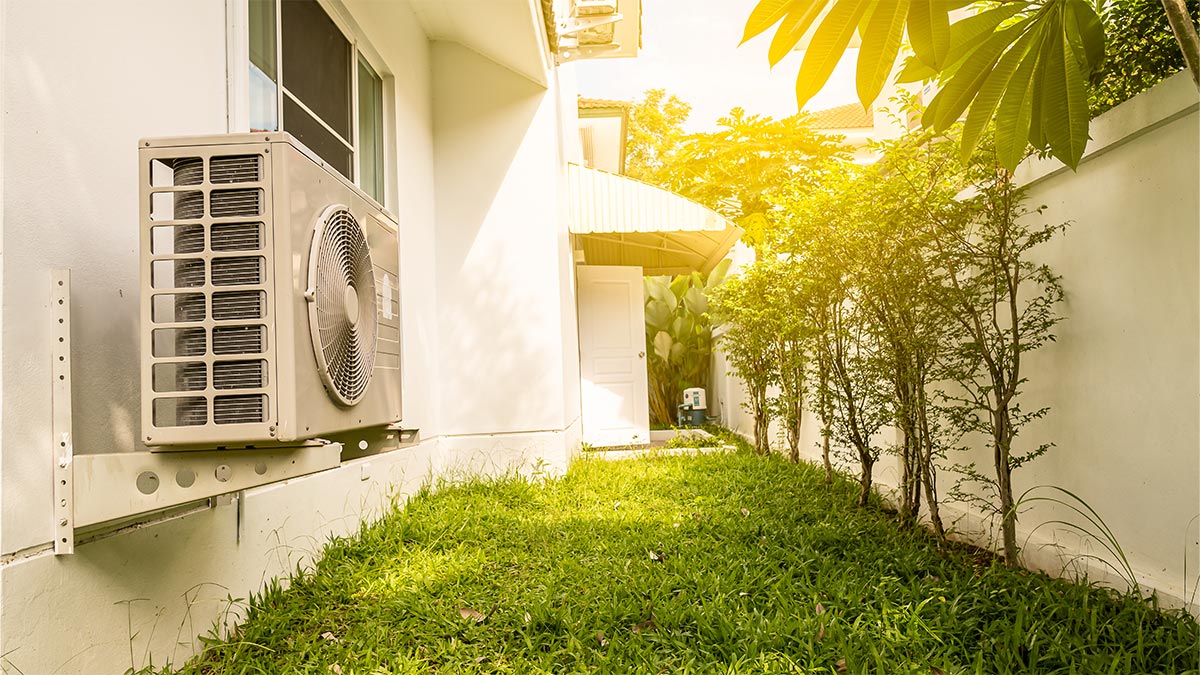
- Clear debris around the unit: Remove leaves, dirt and grass clippings from around your outdoor condenser. Debris can restrict airflow and reduce efficiency. Keeping the area clear helps your system dissipate heat effectively, which is important to effective cooling.
- Cut vegetation close to your outdoor AC unit:Remove or trim back plants, shrubs or weeds to create an approximately 2-3-foot buffer around the unit. Doing this allows proper airflow, increased cooling efficiency and helps prevent overheating and breaking down.
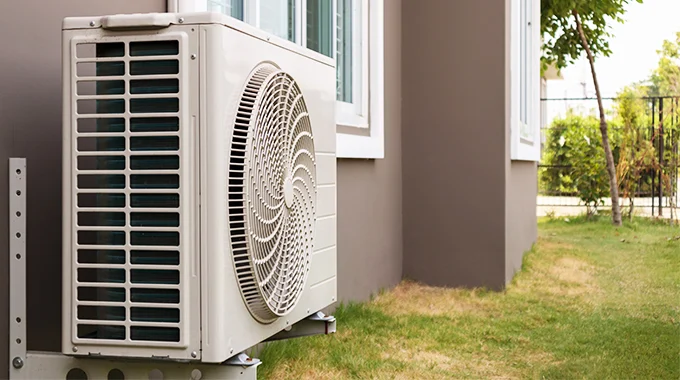
- Carefully clean condenser coils: Take a hose (set on a gentle setting) to clear off dirt from the coils. Understanding how to clean your AC unit outside helps ensure the coils are free of buildup, so they can release heat more effectively and prevents damage to your compressor. The US Department of Energy notes that dirty coils can boost energy use and lower cooling capacity, so a quick rinse can make a measurable difference.
- Look for signs of damage: Look for damaged fins, loose panels or visible wear on the outdoor air conditioning unit. Spotting small issues early can help prevent bigger, more expensive repairs later. If anything looks off or damaged, it’s recommended to contact a professional for inspection and possible repair.
AC System Test
Once you’ve worked through the AC maintenance checklist, it’s time to make sure everything is running correctly.
Follow these step-by-step directions for checking the performance of your AC.
- Turn system on and test cooling: Adjust your thermostat to cool and lower the temperature. This is a way to check that your system turns on and is blowing cool air.
- Check for unusual noises: Listen for banging, rattling or squealing sounds. This can signal loose or wearing out parts.
- Test airflow strength: Place your hand near vents and feel the air coming from vents. Consistent, strong airflow means your air conditioning is working properly.
- Monitor for strange odors: Pay attention for any musty or burning smells. These may signal problems like mold, dust buildup or electrical issues.
When to Call Professional Help
While certain AC maintenance tasks are DIY-friendly, more serious problems should be addressed by a professional. Addressing issues early with prompt AC repair as soon as you notice something amiss can help you prevent bigger, more expensive issues later on.
- AC won’t turn on: If your air conditioner is not working after winter, it may have electrical issues, a failed capacitor or a locked-up compressor. Repeatedly attempting to start it can lead to further damage and increase repair costs.
- Low airflow: If your AC is barely blowing any air, you may have duct issues, a failing motor or blockages. This can cause uneven cooling, higher monthly AC bills and long-term strain that decreases your system’s lifespan.
- Warm air coming from your AC:When your system blows warm air, it can be a sign of refrigerant level issues or compressor trouble. Continuing to run your system can overwork the system, leading to the evaporator coils freezing and potential system shutdown.
- Strange noises or smells: Unusual sounds like rattling or grinding can signal parts coming loose or wearing out. Unusual odors from your system may indicate mold growth or overheating electrical components, both of which can worsen quickly and be safety hazards.
- AC not turning on: If your AC won’t turn on at all and you’ve already confirmed the thermostat batteries and settings, there may be a thermostat issue, faulty wiring or a damaged control board. These issues need specialized tools and training to fix.
- Refrigerant leaks or electrical issues: Refrigerant leaks can cause ice buildup on coils, reduced cooling and eventual compressor damage. Wiring issues can lead to system shorts, repeated breaker trips or even fire risks, making professional AC service necessary.
Benefits of Scheduling a Spring AC Tune-Up
When you’ve completed your DIY AC tune-up checklist, scheduling HVAC spring maintenance from qualified professional is a good next step.
A cooling technician uses years of knowledge and specialized equipment to check, clean and optimize your system. Seasonal AC maintenance boosts system efficiency, helps reduce monthly cooling costs and finds issues early before they become major problems. It can also protect your warranty and extend the life of your equipment.
Just like the steps you take at home, calling a pro for annual AC maintenance services is a simple, cost-effective move that makes a difference in real ways. Even better, at HomeServe we also have protection plans to make AC tune-up services even easier and more affordable. Learn more about our protection plans.
Don’t Get Swept Aside by the Summer Rush
Now is the best time to schedule HomeServe’s professional AC maintenance in South Jersey. It’ll help you stay comfortable, reduce your energy bills and have peace of mind that your AC is ready for the demands of summer weather. If your system is requires frequent repairs or isn’t performing properly, we can also walk you through AC replacement options so you can prepare early without pressure.
Booking your appointment in the spring helps you avoid the seasonal rush, when temperatures rise and AC systems across the area start failing and needing repair.
Contact us today online or call 888-246-2610 to schedule an appointment for proactive AC service in South Jersey and get ahead of the summer heat.
*/Source: U.S. Department of Energy — https://www.energy.gov/energysaver/home-heating-systems.
Jump To...